




Filovent boat rental agency

Galápagos, in Darwin's footsteps: 8 days of adventure and exceptional nature between San Cristóbal, Santiago, and Santa Cruz
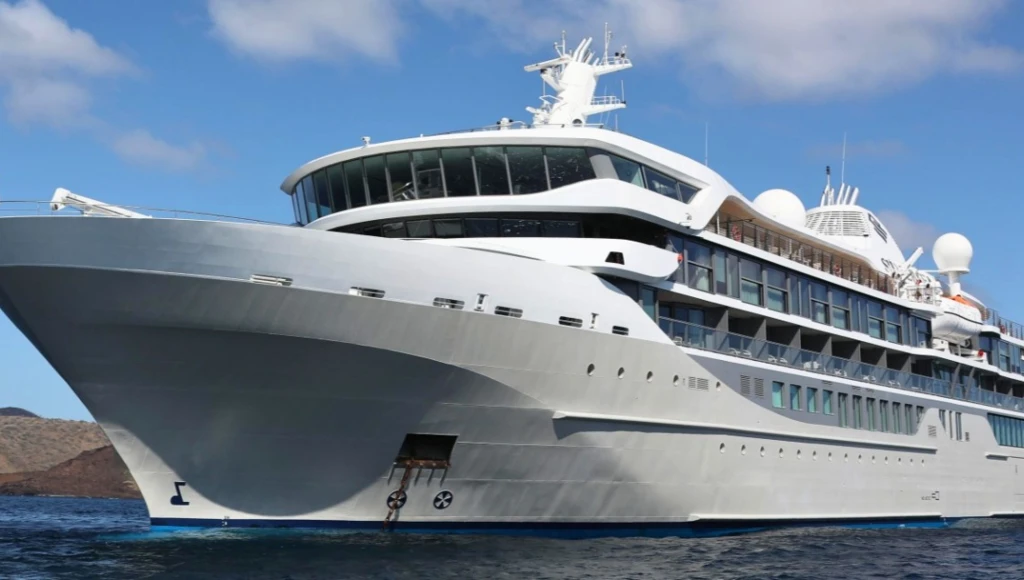
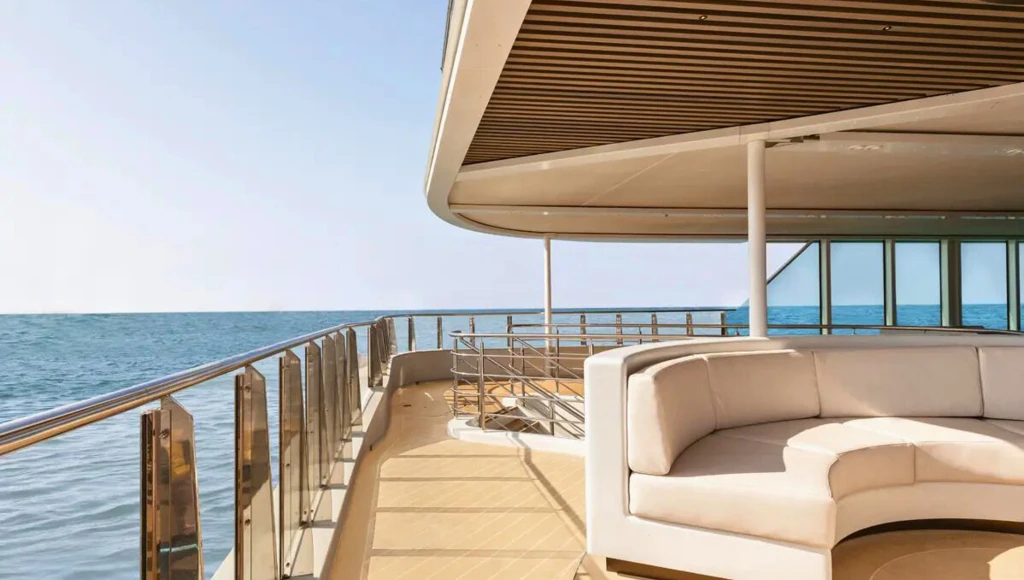
Main features
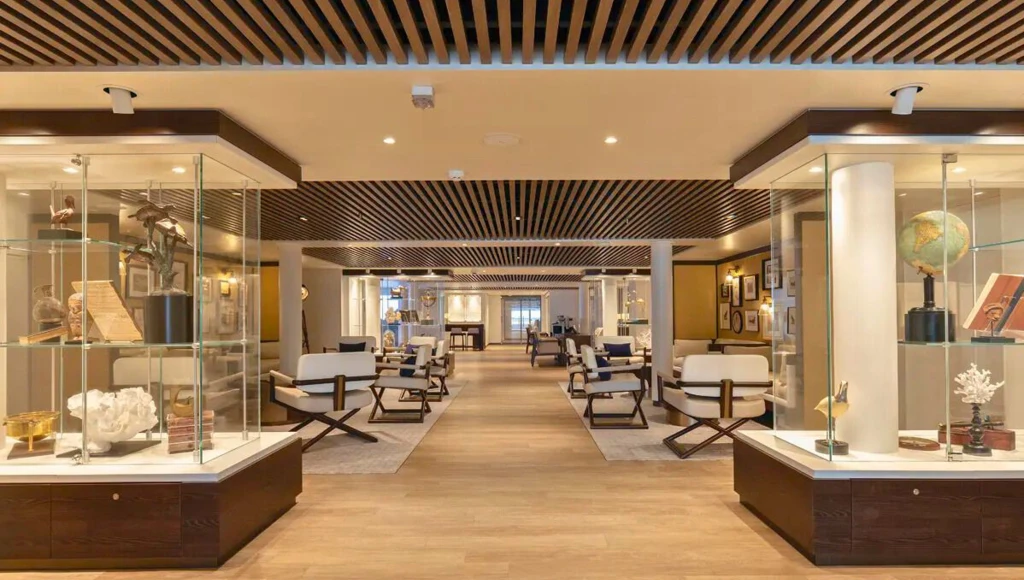
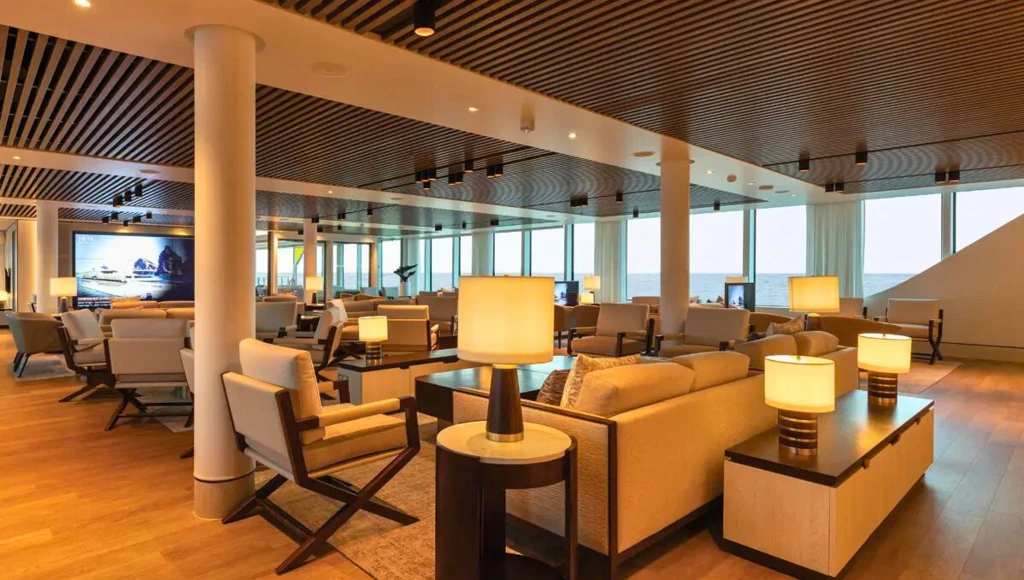
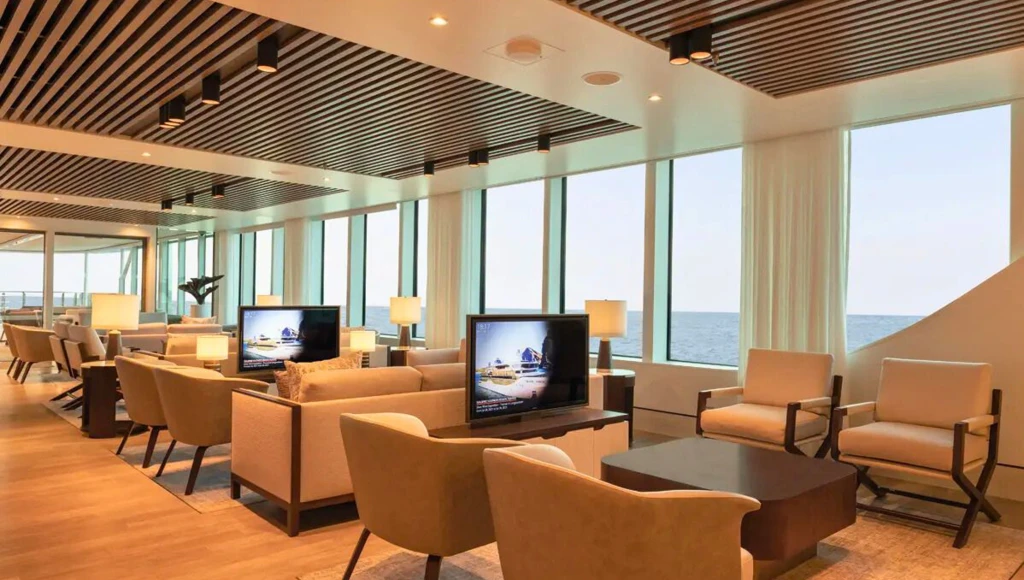
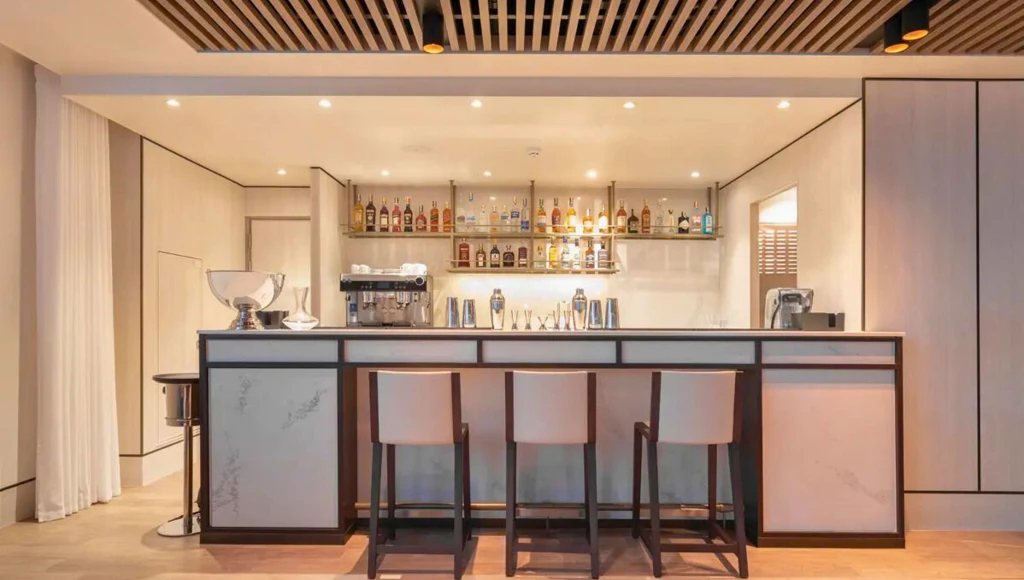
Boat type: ship
Number of cabins: 51
Maximum capacity: 100 travelers
Crew members: 90

Cabins

Classic Veranda Suite
Capacity: 2 Berths maximum
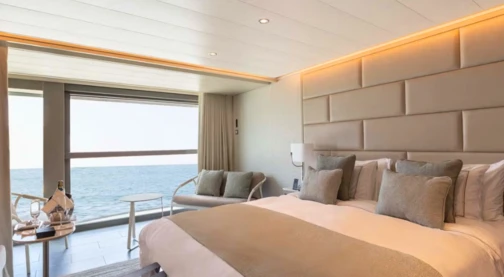
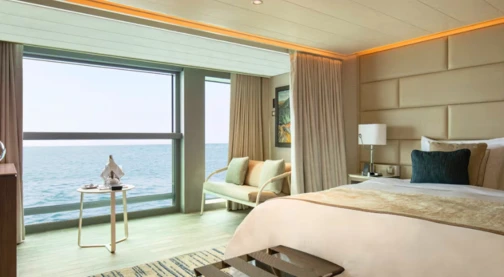
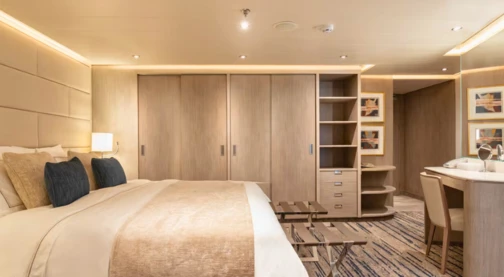
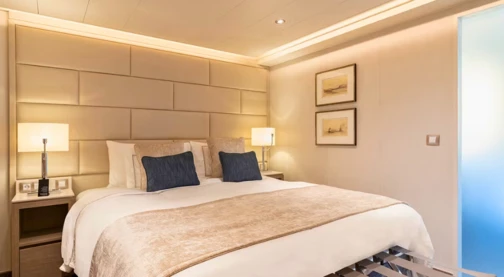
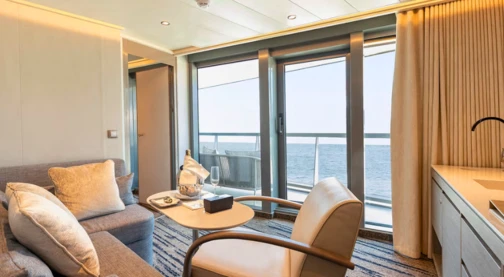
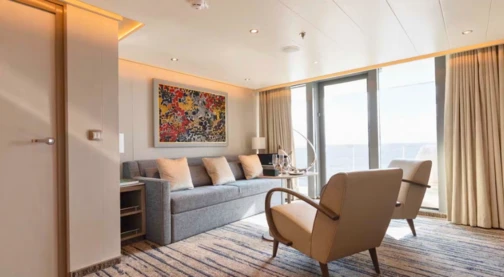
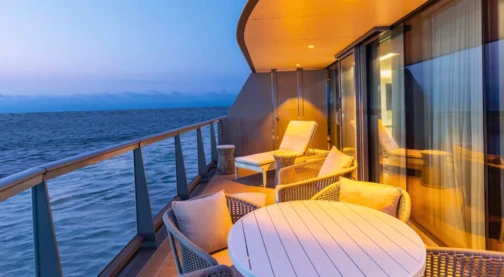
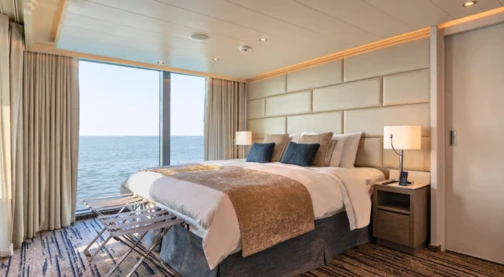
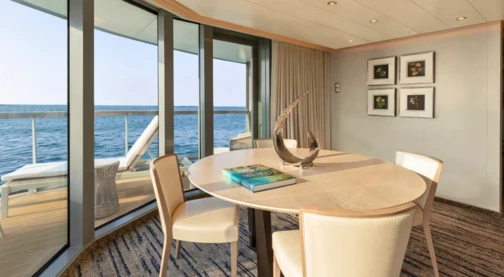
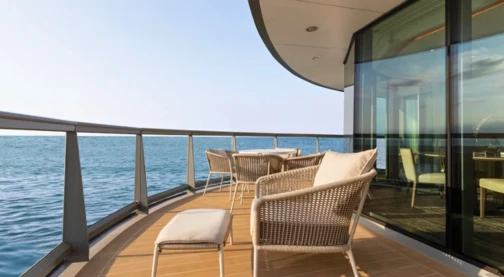
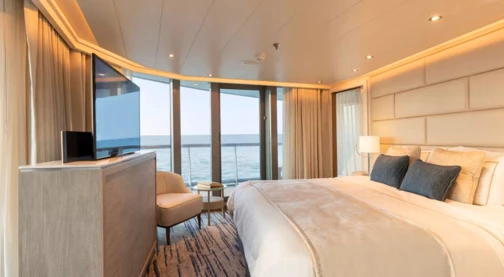
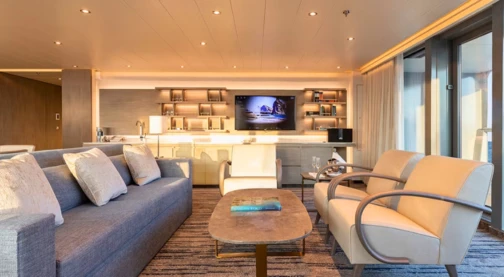
Elegant and sophisticated, the Classic Veranda Suite is a haven of peace where you can unwind at the end of a busy day full of discoveries. The private veranda will make you feel right at home. And to top it all off, this suite includes butler service.
Deluxe veranda suite
Capacity: 2 Berths maximum
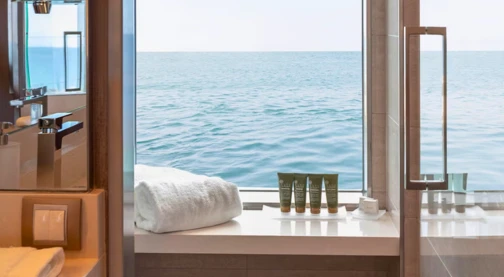
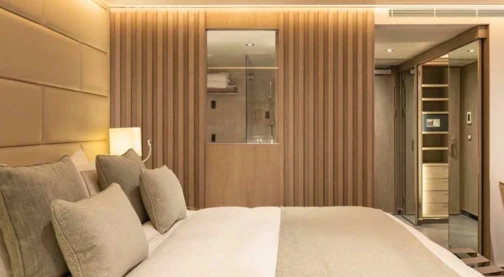
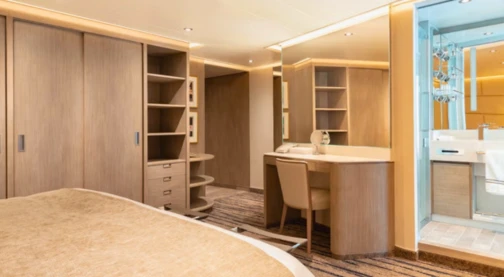
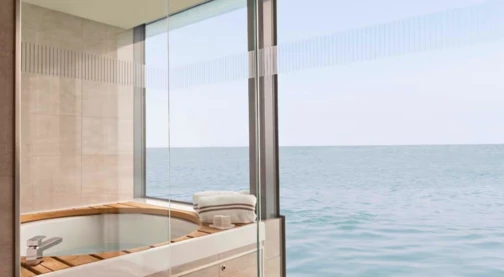
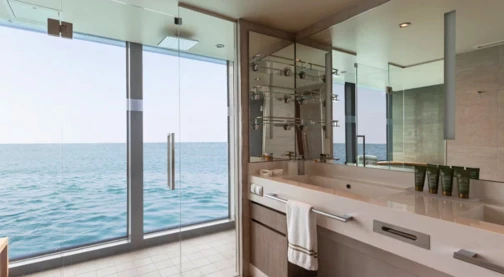
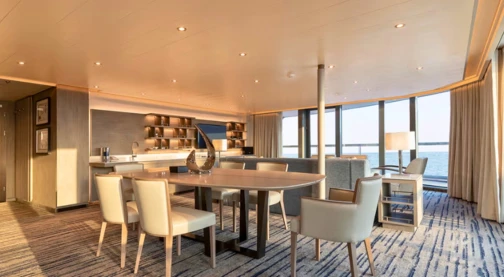
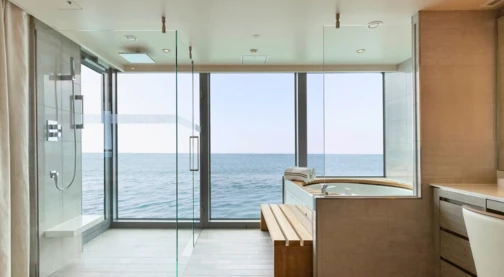
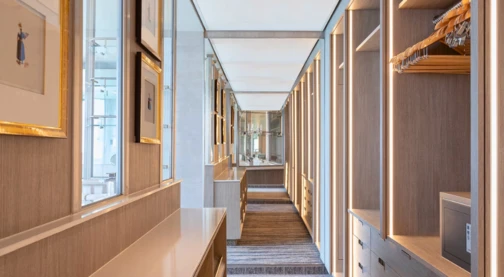
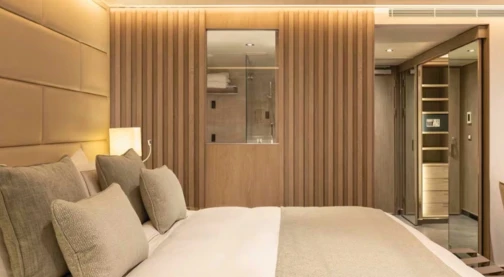
With its prime location, walk-in shower, ocean view, and Horizon Balcony, the Deluxe Veranda Suite is highly sought after by travelers booking a trip to the Galápagos. Perfectly designed and tastefully decorated, this suite is warm, spacious, and elegantly furnished, allowing you to enjoy your adventure to the fullest without missing the comforts of home.
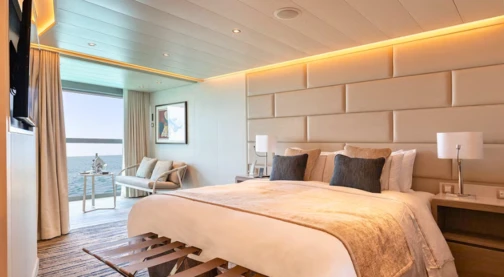
Superior Veranda Suite
Capacity: 2 Berths maximum
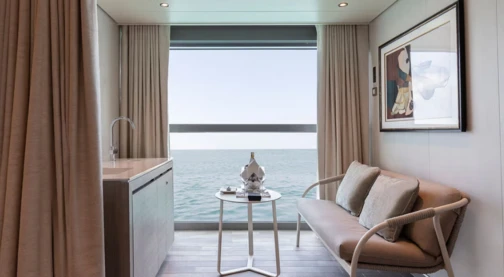
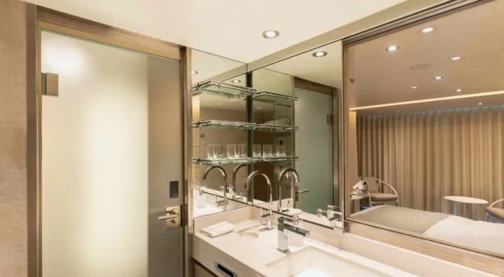
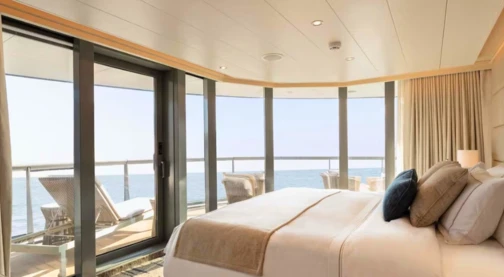
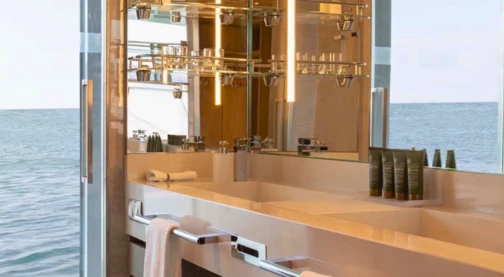
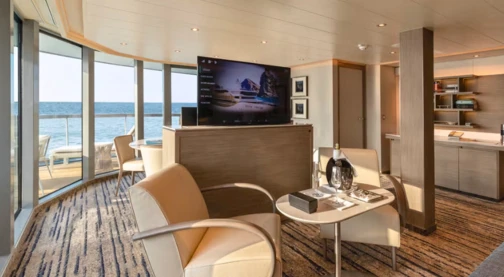
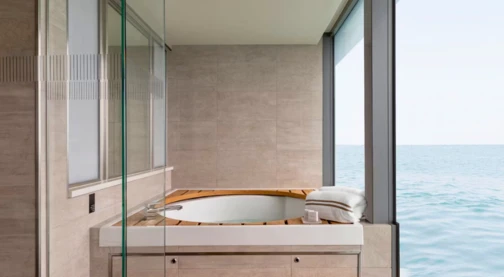
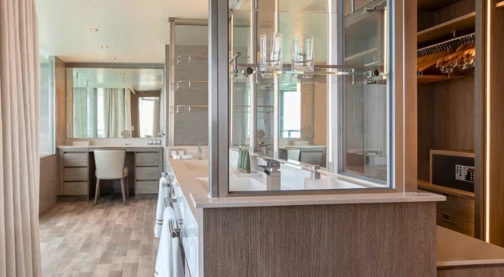
The Superior Veranda Suite is designed to give you a feeling of immersion that goes far beyond a Galápagos excursion. The Horizon Balcony transforms into a private lounge area at the touch of a button. The cabin also features a large bathroom with a window, an enviable comfort feature that you will appreciate on board the ship.
Medallion suite
Capacity: 2 Berths maximum
The Medallion Suite lives up to its name, winning the gold medal for comfort in the Galápagos Islands. Specially designed to delight the adventurous side of travelers, these suites can be expanded at the touch of a button with our unique Horizon Balcony. A hybrid cabin that harmoniously combines the explorer and luxury sides, the Medallion Suite features high-end furniture that contributes to sublime comfort. The walk-in shower offers an ocean view that... more+ will make your trip even more adventurous. 
NB : The pictures, information, and visuals presented are not contractually binding. The itinerary and program indicated may be modified without notice due to weather conditions or for technical reasons (captain's decision). Sailing times may vary depending on sea conditions and weather.

Itinerary

San Cristobal Kicker Rock
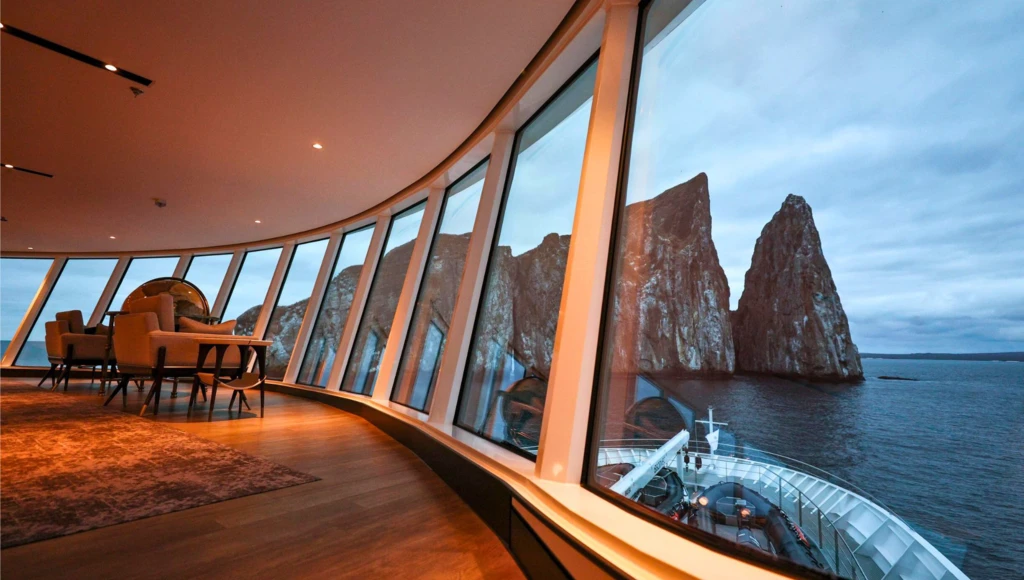
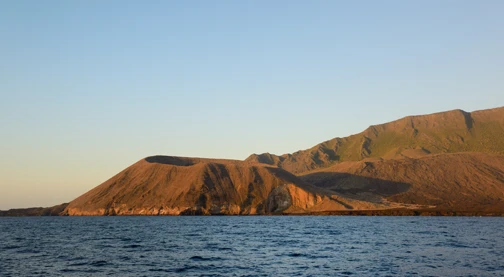
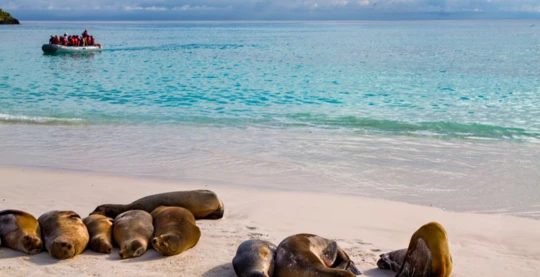
Like many other Galápagos Islands, San Cristobal is formed by dormant volcanoes. It is located in... more+ the east of the archipelago and is one of the oldest islands in the group. Approximately 8,000 people live on the island, earning their livelihood from tourism, fishing, government offices, or the rich volcanic soil, with some agriculture in the highlands. Puerto Baquerizo Moreno, at the southwestern tip of the island, is the capital of the Galápagos Islands. A statue of Charles Darwin adorns the harbor, marking one of the first places he likely set foot in the 1830s. Kicker Rock is the vertical remnant of an ancient tuff cone located less than 3 miles west of San Cristobal. Its Spanish name "Leon Dormido" (Sleeping Lion) and its English name Kicker Rock suggest that it is a single rock, when in fact it is a larger rock 300 meters long by 100 meters wide, with a maximum height of about 150 meters, and next to it, a rock resembling an obelisk, separated by a narrow channel about 20 meters deep. As you approach Kicker Rock, you can see blue-footed boobies, Nazca boobies, and frigatebirds in the air, as well as sea lions along the shore. Divers and snorkelers have reported sightings of manta rays, hammerhead sharks, and turtles. The Spanish name indicates that the geological formation, when viewed from the south, resembles a sleeping lion. An interesting explanation for the English name suggests that James Colnett, in 1794, compared it to famous sites in Portsmouth. 
Breakfast
Lunch
Diner
Kicker Rock Bartolome island Buccaneer Cove
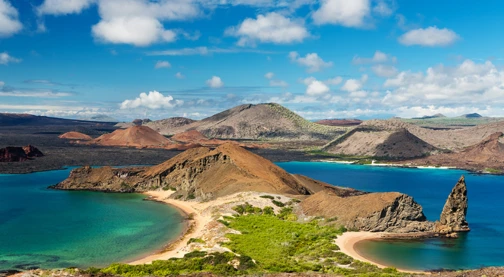
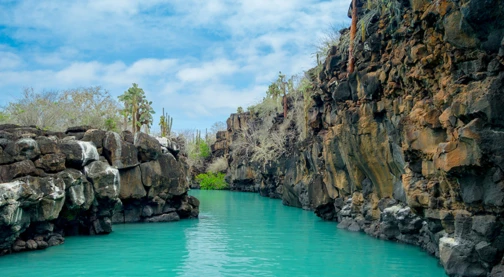
Our ship drops anchor within sight of the volcanic lunar landscape of Bartolomé Island in Sullivan... more+ Bay. Zodiacs take passengers ashore to climb a 388-step stairway. Crossing this arid volcanic landscape provides an opportunity to observe lava lizards, Galápagos hawks, and blue-footed boobies. However, the ultimate reward for climbers is one of the most magnificent panoramas in the entire Galápagos archipelago: the view of Pinnacle Rock, with the black volcanic cones of Baltra, Daphne Major, and Daphne Minor in the background. On the descent, admire how the sunlight brings out the green of the first plant species, in striking contrast to the dark volcanic rock, and look forward to swimming and snorkeling from the golden beach. Buccaneer Cove is a colorful cove located on the island of Santiago, also known as James Island. It owes its name to some of the first visitors to the area: pirates. They came here in search of water, turtles, and some say even hiding places for their treasures. We know nothing about any pirate treasure, but the landscape of this region is a real gem. The geology combines red tuff cones with impressive basalt lava flows and dikes. Erosion has carved out caves and shaped some rocks into unique forms, such as the Bishop's Rock. Palo Santo trees and large giant prickly pear cacti cover the area, and in the distance, you can see the impressive volcanoes of Isabela Island. We will explore this area aboard our Zodiacs, looking for seabirds such as Nazca boobies, blue-footed boobies, and swallow-tailed gulls. Sea turtles and even reef sharks are often seen here. At Buccaneer Cove, we can also observe two species of sea lions: Galápagos sea lions basking on the beaches and fur seals seeking shade on the collapsed rocks along the coast. 
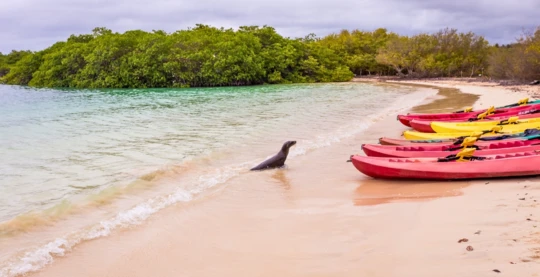
Included activities: Kayaking with expedition team, more+
Breakfast
Lunch
Diner
Buccaneer Cove Punta Vicente Roca Bolivar Canal Punta Espinoza
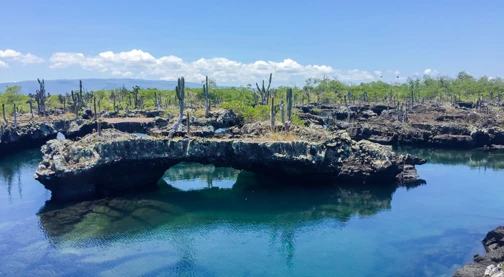
Punta Vicente Roca is one of the marine sites offered by Isabela Island. Located on the southern... more+ slope of the Ecuador volcano, this point at the western end of Isabela takes its name from Vicente Ramón Roca, president of Ecuador from 1845 to 1849, who, as prefect of Guayas, had proposed the annexation of the Galápagos Islands by Ecuador in 1831. The geological formations, underwater caves, and lava tunnels offer fascinating views of the coastline. The South Equatorial Countercurrent hits this part of the archipelago from the west, making these waters particularly rich in food for a wide variety of marine life and seabirds. Pacific green turtles are commonly seen here, but sharks, rays, whales, and dolphins can also be spotted, as well as a small colony of fur seals. Blue-footed boobies, Nazca boobies, brown noddies, and other seabirds nest on the cliffs. Colonies of endemic Galápagos penguins and flightless cormorants have also established themselves nearby. Marine iguanas also enjoy this area because of the wide variety of algae that grow underwater along the west coast of Isabela. As a marine site, Punta Vicente Roca also offers the opportunity for deep-water snorkeling. Like a distant and mysterious shore on another planet, the Bolívar Channel cuts between two islands located northwest of this spectacularly diverse archipelago. Explore the marine treasures of one of the most fascinating areas in the world. The Galápagos Islands are teeming with spectacular biodiversity—a unique combination of preserved isolation and fertile ocean currents creates waters rich in life, both large and small. The currents of the Bolívar Channel guide you to the heart of the archipelago from the distant Pacific Ocean, passing between the active shield volcano of Fernandina Island and the seahorse-shaped Isabela Island. Wildlife—including the famous blue-footed boobies—gathers on the volcanic shores in layers. Beneath the surface, a world of color and life swirls, and the seabed explodes with geothermal hues and intense biodiversity. 
Optional services: Zodiac cruise with expedition team, more+
Breakfast
Lunch
Diner
Punta Espinoza Caleta Tagus Isabela Island
Tagus Cove is bordered by a steep rocky coastline and has provided natural shelter for ships and... more+ yachts for centuries. The cove takes its name from the British frigate HMS Tagus, which visited the Galápagos in 1814. By the 1830s, other ships had already left their mark by painting or carving their names on the rocks. As you approach, you can often see Galápagos penguins and flightless cormorants, two species of birds mainly found on the west coast of Isabela and neighboring Fernandina. From the landing point, a trail crosses a forest of incense trees (Bursera graveolens), passes by Darwin Lake, and leads to a viewpoint at the top of a spatter cone. During the hike, it is common to see several land birds such as medium-billed finches, Galápagos hawks, yellow warblers, and large-billed flycatchers. Brown noddies and blue-footed boobies, on the other hand, prefer the rocks along the shore. Elizabeth Bay is one of the marine sites located on the west coast of Isabela Island. South of the Alcedo volcano and north of Sierra Negra, Elizabeth Bay is located at the narrowest point of Isabela from east to west, where the lava flows from these two volcanoes meet. The shores of the bay are lined with mangroves, and in the eastern part in particular, a small cove accessible only by a narrow channel is home to red, white, and black mangroves. Different animal species occupy specific areas of the bay. The Marielas, three rocks at the entrance to the bay, serve as a resting place for blue-footed boobies, flightless cormorants, and Galápagos penguins. The mangrove areas are favored by great blue herons for hunting and by magnificent frigatebirds for perching. The bay is also used by sea turtles, rays, and even sharks to feed or rest. The shallow waters and complex root system of the mangroves in the small cove provide ideal shelter for small fish, allowing them to escape larger predators. 
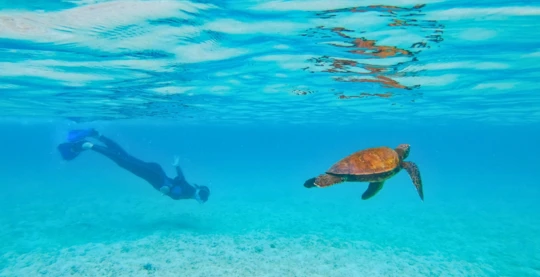
Included activities: Snorkeling with expedition team, more+
Breakfast
Lunch
Diner
Isabela Island Floreana Champion Islet Cormorant point
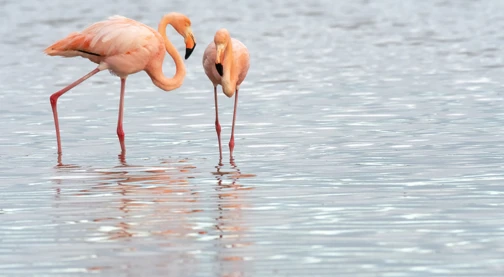
Post Office Bay, on Floreana Island, takes its name from an old practice: sailors would leave their... more+ mail there in the hope that another ship, heading for the recipient's destination, would pick it up and deliver it. This "post office" was first mentioned by Porter in 1813 under the name "Hathaway's Post Office." Captain FitzRoy of the HMS Beagle noted that by 1835, the site was no longer in use because the island was already inhabited. Floreana was the first Galápagos island to be colonized by Ecuadorians in 1832. Today, a barrel replaces the original box, and visitors deposit their own postcards or take others that they promise to deliver by hand. In addition to the beach and the famous "mail barrel," the bay offers great opportunities for swimming and snorkeling. You can also see the remains of a Norwegian fish cannery from the 1920s, as well as an abandoned attempt at a colony. Although Floreana is still inhabited, the population remains small due to the difficulty of accessing drinking water. A trail from Post Office Bay joins the only road connecting Puerto Velasco Ibarra (on the west coast) to a spring located in the hills. Champion Islet is a small islet located about 700 meters northeast of Floreana. It is one of four marine sites around the island and offers excellent deep-sea diving opportunities. Curious sea lions often approach divers, while sea turtles swim slowly nearby. Sharks, stingrays, and a wide variety of colorful tropical fish can also be seen here. During a Zodiac excursion around Champion Islet, you can admire various seabirds such as Nazca boobies, swallow-tailed gulls, and red-billed tropicbirds. With a little luck, you may also spot the rare Floreana mockingbird, an endemic and endangered species. The northernmost point of Floreana is Punta Cormorant, named after the British ship HMS Cormorant at the end of the 19th century. From the landing beach, a short trail leads to a shallow lagoon known for its flamingos. These brightly colored birds filter the salt water to feed on shrimp and care for their young. The trail then continues through a few scattered Palo Santo trees on a low hill, leading to an idyllic white sand beach on the other side of the point. On the shore, you may see massive female turtles coming out of the sea to lay their eggs in the fine sand dunes, well above the tide line. Before returning to the landing site, your guides may also show you white-cheeked ducks, blue-footed boobies, yellow warblers, and medium- and small-billed geospices. 
Included activities: Expedition activities with expedition team, more+
Breakfast
Lunch
Diner
Cormorant point Puerto Ayora Santa Cruz
The ship will drop anchor off Puerto Ayora, on Santa Cruz Island, home to the prestigious Charles... more+ Darwin Research Station. This station also houses the Fausto Llerena Breeding Center, dedicated to the conservation of giant tortoises and land iguanas. Guides explain the captive breeding and reintroduction programs for these iconic species. In addition to these wildlife stars, the station is home to huge prickly pear cacti (opuntia cacti), which are the food source for the beautiful cactus finches, a bird typical of the Galápagos. To round off your visit to Puerto Ayora, enjoy some free time in the town, where local artists have opened charming art galleries and welcoming cafes on street corners. The island of Santa Cruz reaches a maximum altitude of 864 meters above sea level. At these altitudes, climate changes create microclimates. As a result, the flora and fauna found near the coastline are very different from those found in the highlands. Life in the highlands is easier due to the presence of fresh water, provided by constant drizzle during the dry season and heavy rains during the wet season. The inhabitants take advantage of this climate to grow a wide variety of plants, and giant tortoises particularly appreciate these ideal conditions for mating, feeding, and resting before embarking on their next long migration to coastal areas. 
Included activities: Visit to the Fausto Llerena Breeding Centre, more+
Breakfast
Lunch
Diner
Santa Cruz Dragon Hill Guy Fawkes Island
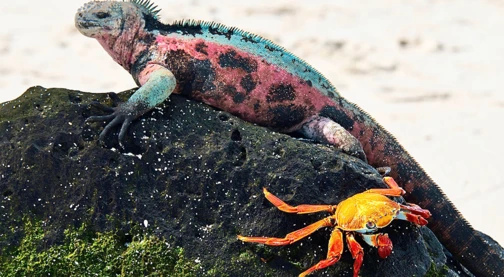
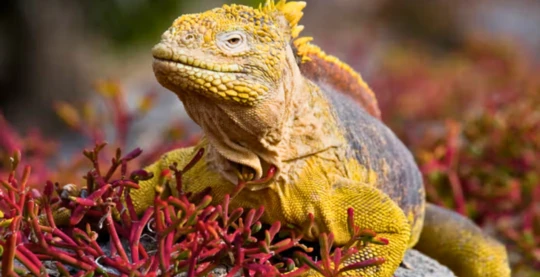
A dry landing on volcanic rock covered with colorful Sally Lightfoot crabs will mark the start of... more+ your excursion to discover Cerro Dragón. This tour combines a brackish water lagoon, inhabited by shorebirds and a few discreet flamingos, with a landscape of dry volcanic rock, ideal for the Galápagos land iguana, an emblematic species that can be observed in this region of Santa Cruz. Your guide will be on the lookout to help you spot these reptiles, whether they are resting in their burrows or near cacti in search of food. Keep your eyes peeled, as they sometimes blend in perfectly with the rocks! Guy Fawkes is a group of four small islets located northwest of Santa Cruz Island. They are volcanic satellite cones surrounded by deep seas. Emerging from the seabed, they intercept powerful ocean currents, creating a veritable marine sanctuary. The underwater walls of these islets are covered with an incredible diversity of marine invertebrates such as sponges, corals, starfish, and sea urchins, providing a colorful backdrop ideal for deep-water snorkeling. Due to the exceptional conditions, huge schools of fish can be seen here, and it is not uncommon to encounter sharks or manta rays in the deep waters. Guy Fawkes is considered one of the most exciting sites for deep-sea snorkeling—you never know what to expect, and every dive holds surprises! 
Included activities: Visit to Cerro Dragon, more+
Breakfast
Lunch
Diner
Guy Fawkes Island San Cristobal
Like many islands in the Galápagos archipelago, San Cristóbal is formed from dormant volcanoes.... more+ It is located at the eastern end of the archipelago and is one of the oldest islands in the group. Approximately 8,000 people live on the island, earning their income from tourism, fishing, public administration, and agriculture, which is made possible by the fertile volcanic soil, although agricultural activity remains limited and concentrated in the highlands. Puerto Baquerizo Moreno, located at the southwestern tip of the island, is the capital of the Galápagos Islands. A statue of Charles Darwin adorns the harbor, marking one of the first places he likely set foot during his visit in the 1830s. 
Breakfast
Lunch
Diner

included

The price includes
Refined coffee and teas
Butler service
24-hour food service
Expedition equipment
Enriching lectures and entertainment on board
Taxes and port charges
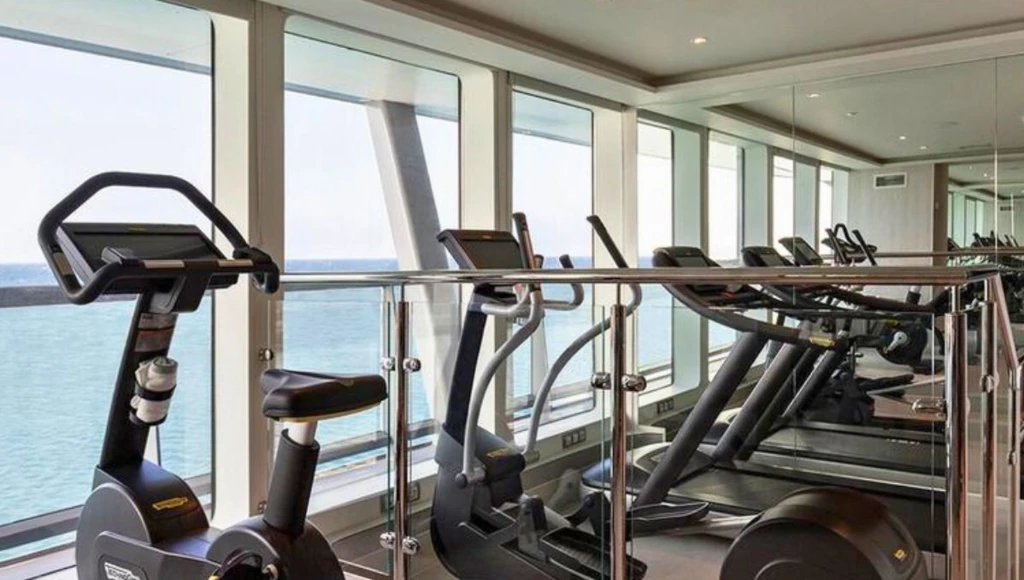
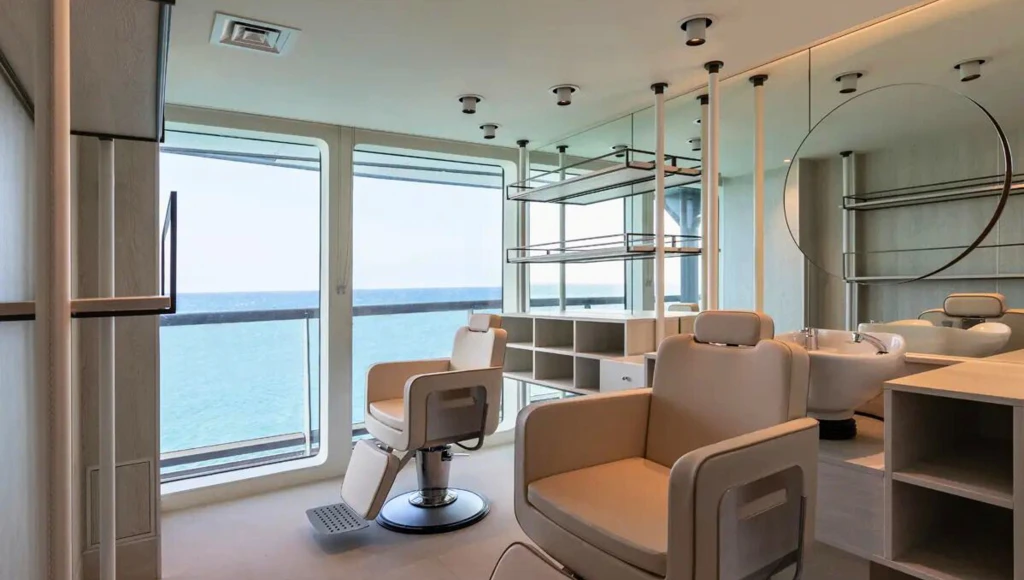
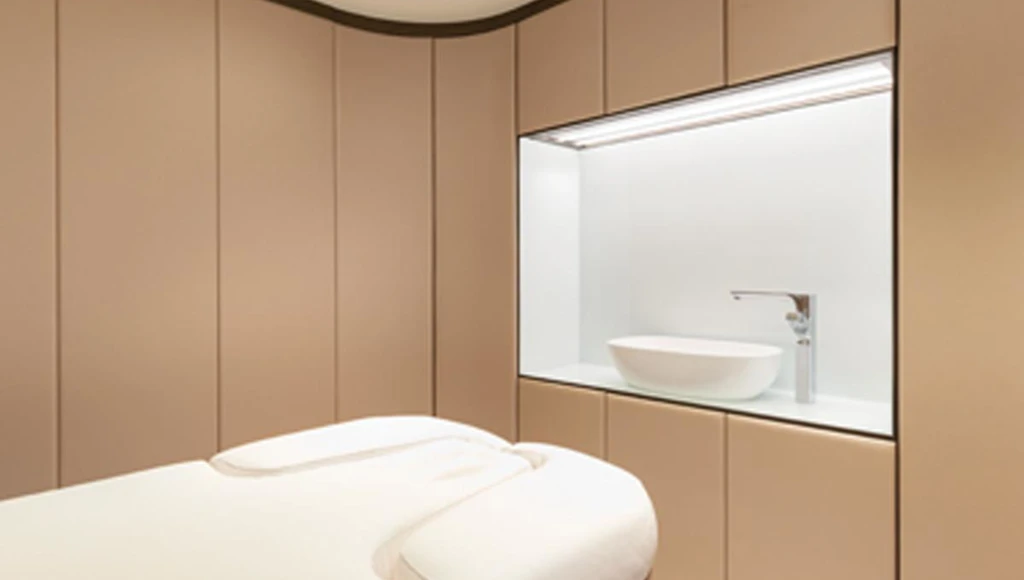
Unlimited access to the fitness center, sauna, steam room, and spa relaxation areas (during opening hours)
WIFI
Activities included in the program
Meals included in the program
The price does not include
Domestic flight
International flights
Activities not included in the program
Meals not included in the program
Tips for guides and/or crew
Additional information
The yellow fever vaccination certificate must have been administered at least 10 days prior to arrival in Ecuador if you have spent more than 10 days in Peru, Colombia, Bolivia or Brazil during the previous 10 days
Optional services
Flights not included in the programme are available on request
Activities and excursions upon request more+

Activities
included
included
included
included
included
Not included

Information about the partner

Commercial history with Filovent

New Filovent partner, no commercial history yet.

Léa
With Léa expert of your cruises

Log in to receive your personalized cruise

Invalid email
Password forgotten? Invalid password, must be at least 8 characters long. Invalid email address or password We have a technical problem, please try again later