







Long-distance sailing trip from Corsica to Martinique: four weeks learning ocean navigation on Yannick Bestaven's sailboat, bound for the Caribbean.
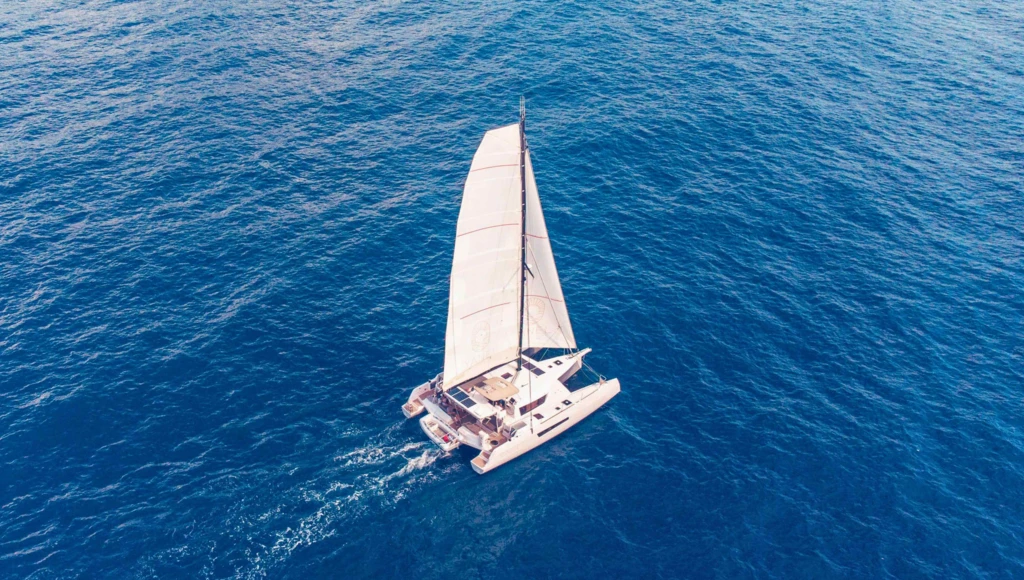
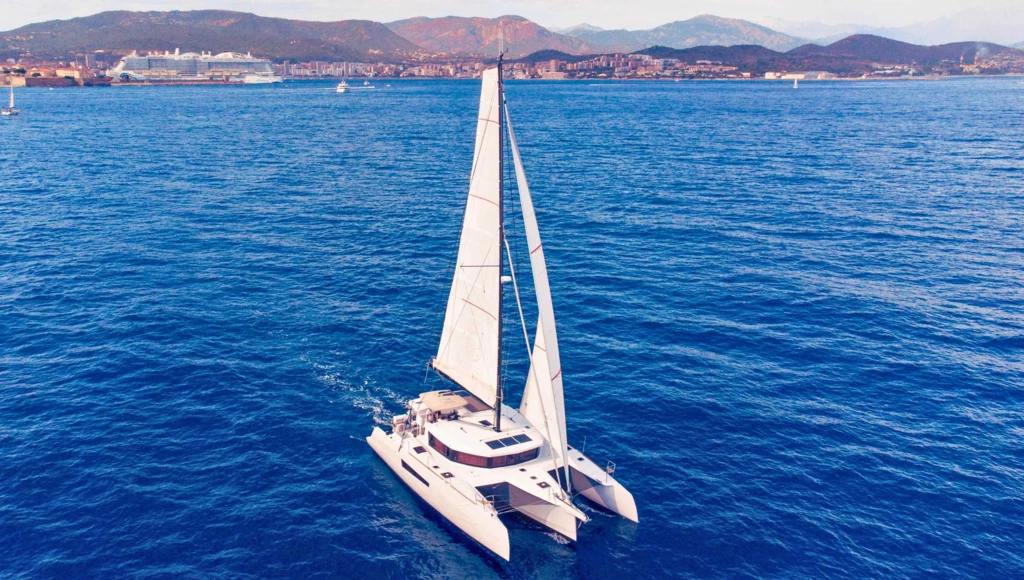
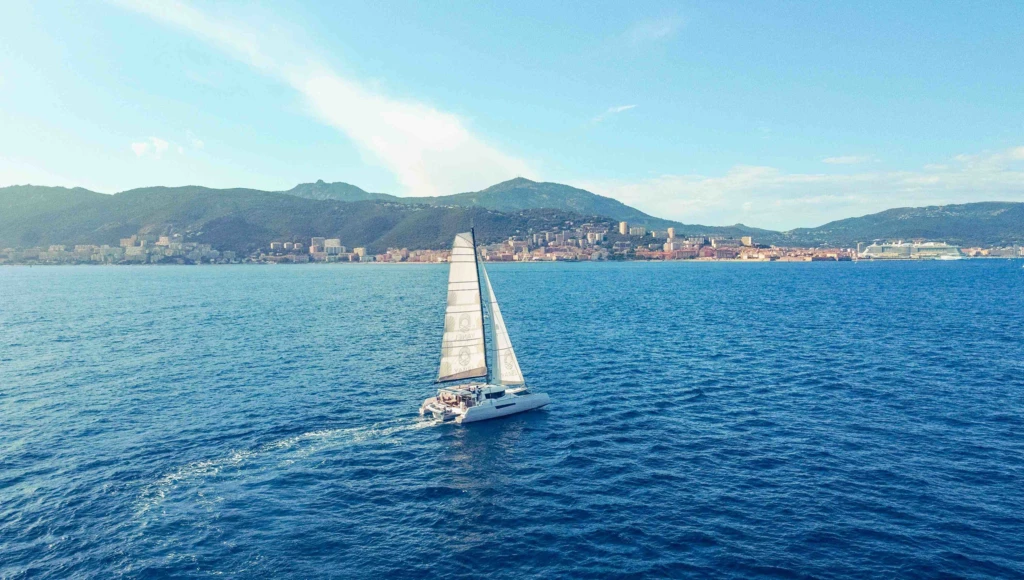
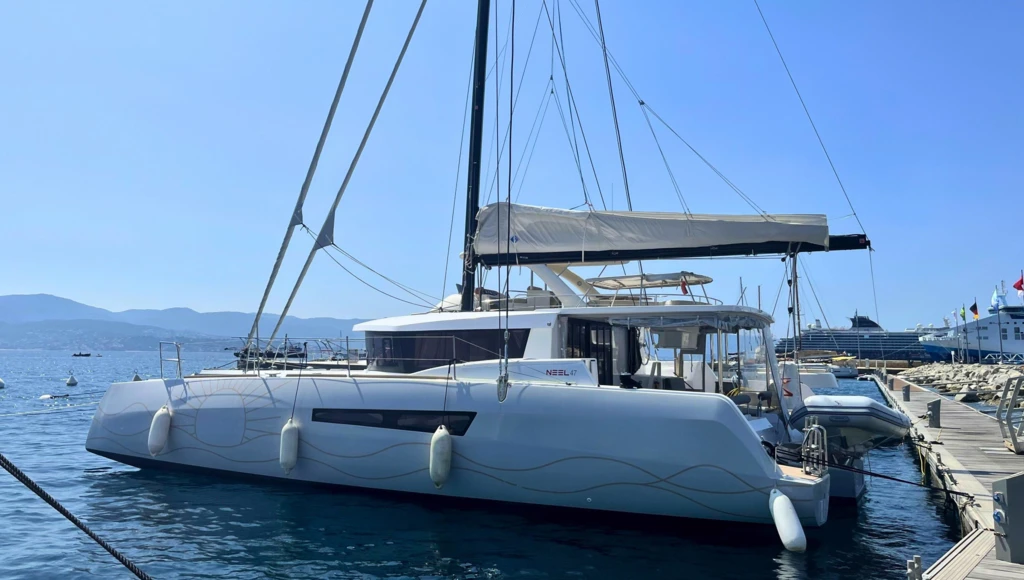
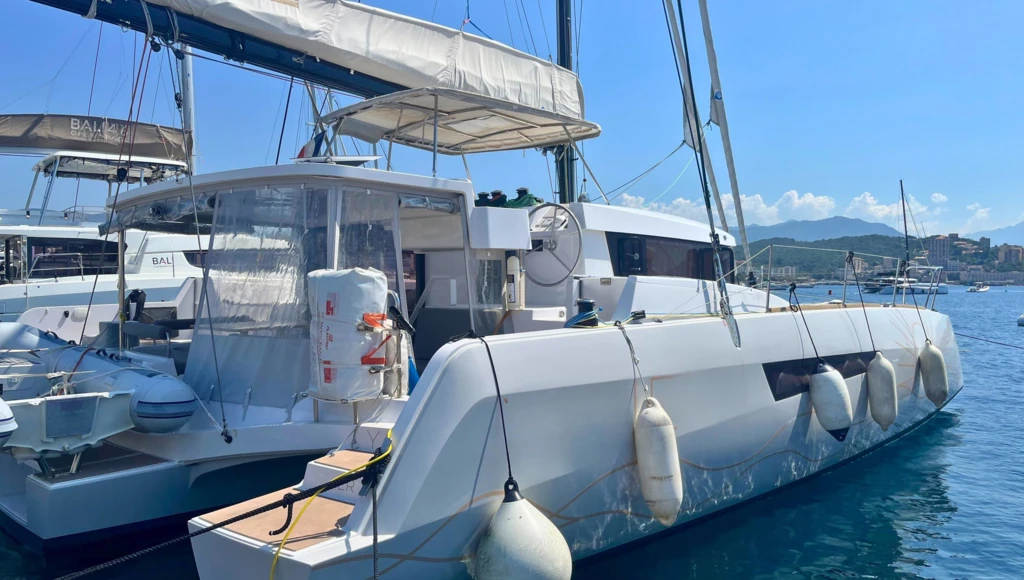
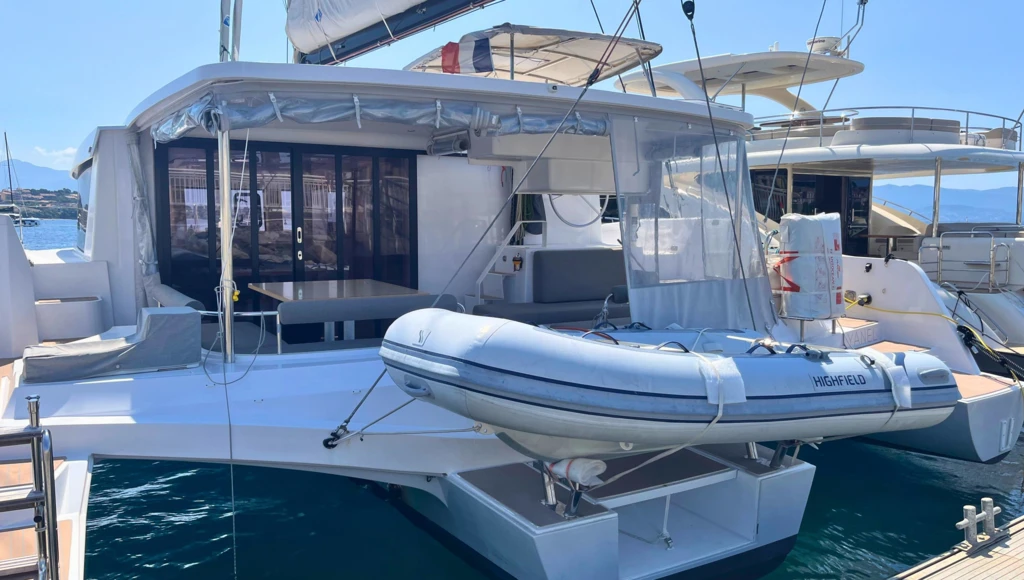
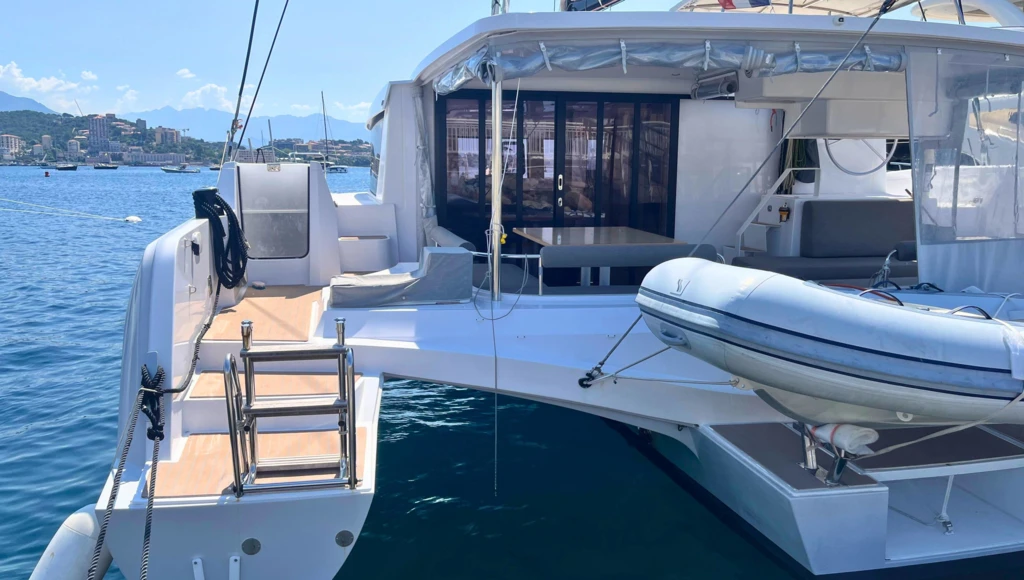
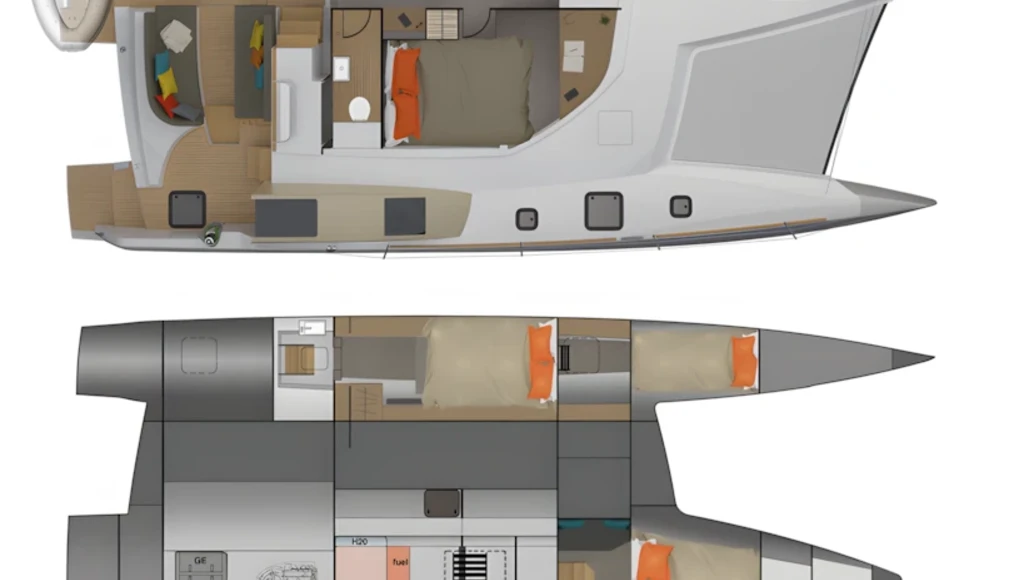

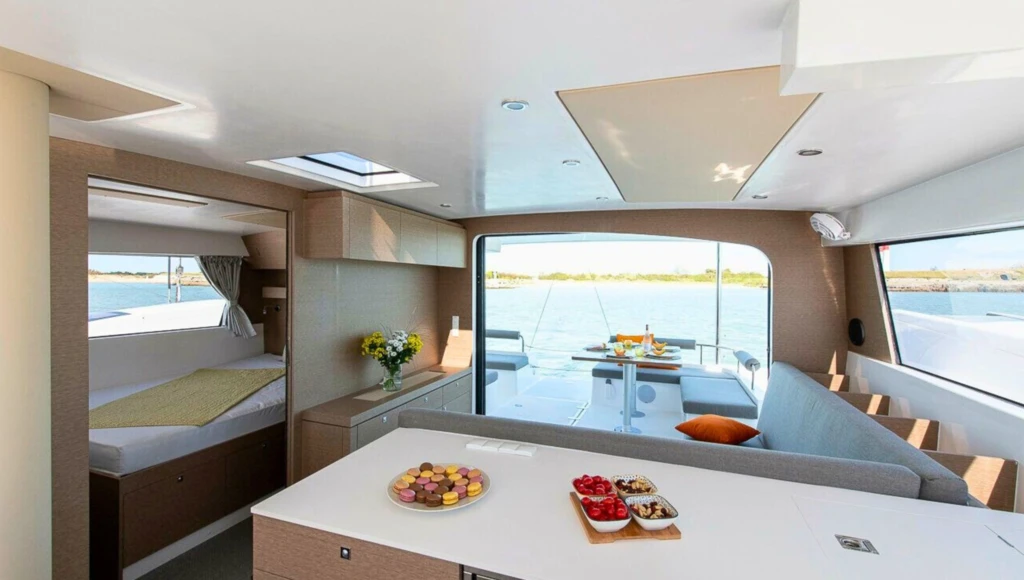

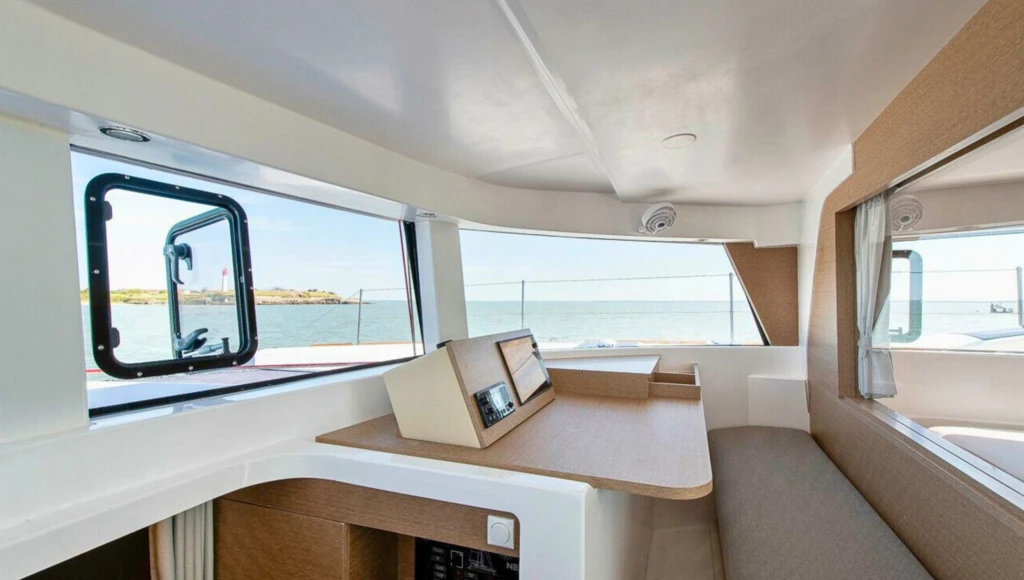
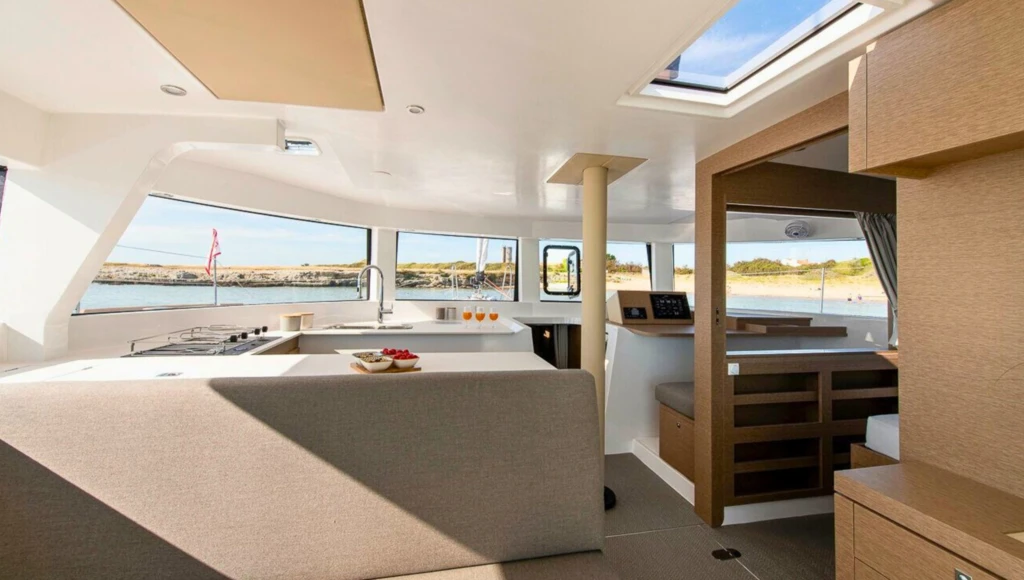
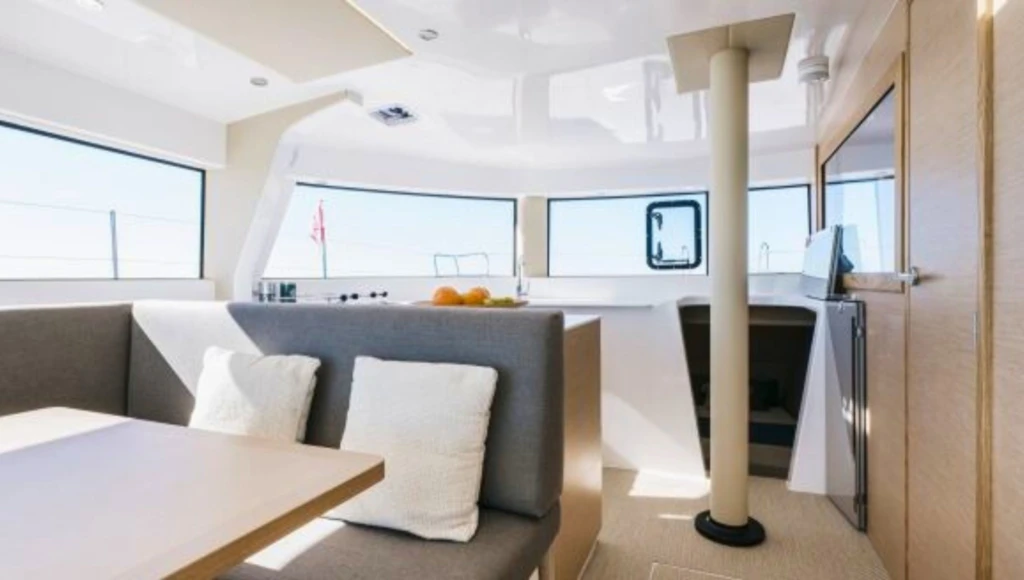
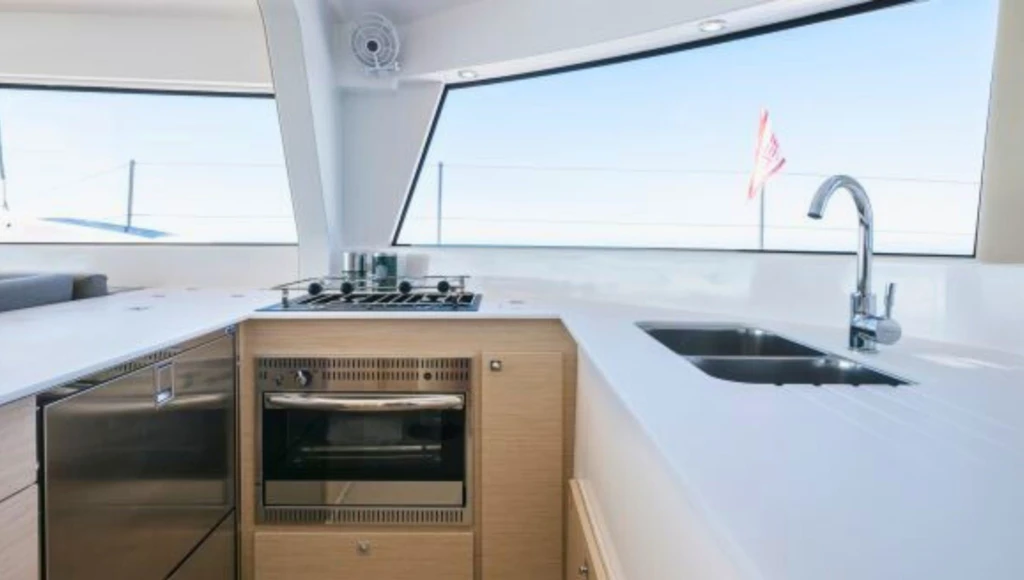
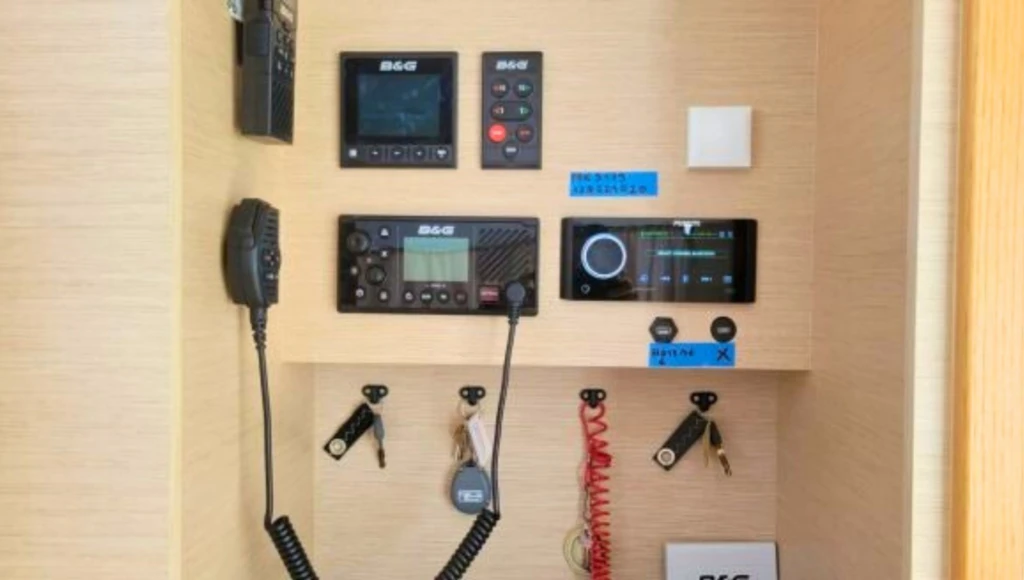
Main characteristics
Type of boat: neel 47
Number of cabins: 5
Maximum capacity: 10 travelers
Cabins
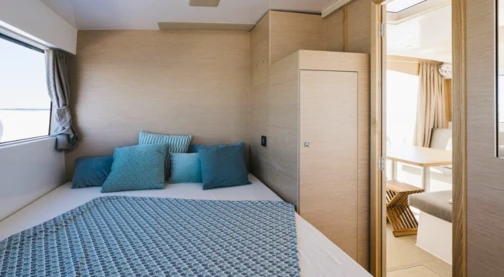
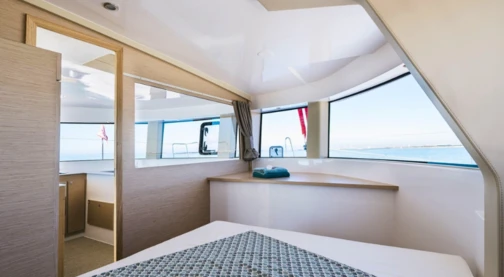
Shared double cabin
Capacity: 2 Beds maximum
Comfortable and functional, this double cabin is equipped with a bed and an optimized space for rest. On the side of the boat, cabins are shared according to the principle of shifts, as in ocean racing. For long crossings, this may involve a rotation of crew members to ensure that everyone gets enough sleep and that there is a constant watch.
Comfortable and functional, this double cabin is equipped with a bed and an optimized space for rest. On the side of the boat, cabins are shared according to the principle of shifts, as in ocean racing. For long crossings, this may involve a rotation of crew members to ensure that everyone gets enough sleep and that there is a constant watch.
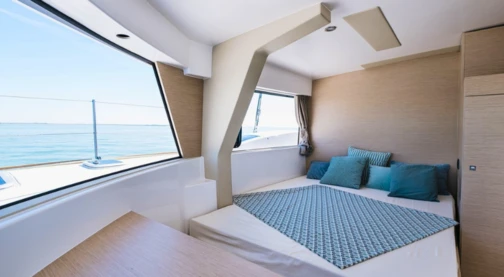
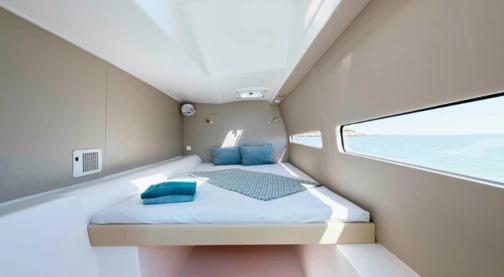
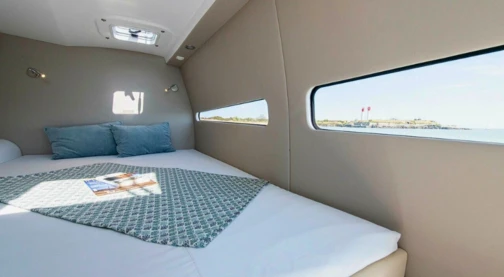
Single bed in point front
Capacity: 1 Bed maximum
Located at the front of the ship, this single berth offers a functional and well-designed space, ideal for solo travelers. Compact yet comfortable, it reflects the authentic maritime spirit, perfect for an immersive sailing experience.
Located at the front of the ship, this single berth offers a functional and well-designed space, ideal for solo travelers. Compact yet comfortable, it reflects the authentic maritime spirit, perfect for an immersive sailing experience.
NB: The photos, information and visuals presented are not contractually binding. The indicated itinerary and program may be modified without prior notice, depending on the weather conditions or for technical reasons (decision of the captain). Sailing times may vary depending on sea and weather conditions.
Sailing itineraries
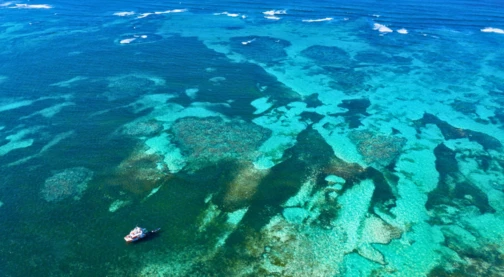
Ajaccio At sea - Atlantic Ocean
From Ajaccio to the Atlantic: setting sail and offshore navigation: On board, life revolves around... see+
Accommodation: Night on board
Breakfast
Lunch
Dinner
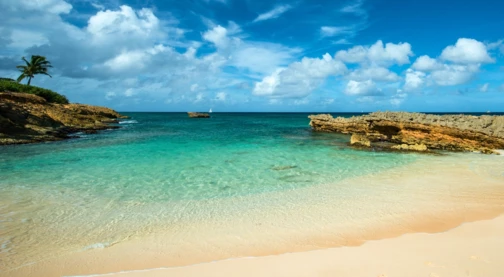
At sea - Atlantic Ocean The Azores
Atlantic route and arrival in the Azores: From day 10 onwards, the sailboat heads out to sea... see+
Accommodation: Night on board
Breakfast
Lunch
Dinner

The Azores At sea - Atlantic Ocean
Resumption of sailing from the Azores: After stopping in the Azores, the sailboat sets sail again... see+
Accommodation: Night on board
Breakfast
Lunch
Dinner
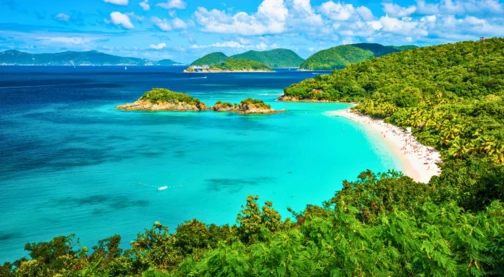
At sea - Atlantic Ocean Le Marin
Sailing towards Le Marin: With around five days to go before arrival, the yacht is now sailing in... see+
Breakfast
Lunch
Dinner
Included
The price includes
Supervised participation in port maneuvers and anchorage
Support from professional skippers
Training or introduction to offshore sailing
The price does not include
Provisions taken on board and meal expenses during stopovers
Meals not included in the program
Tips for guides and/or crew
Further information
Even if the boat is equipped with sails, it will mainly be powered when the conditions are too pitch for the sails to be used
Active cruise with offshore license training, participation in watches and maneuvers
The duration of the crossing depends on weather conditions and can vary by several days
The cabins will be shared as in a race. For long crossings, this may involve rotating the crew to ensure that everyone gets enough sleep and that there is a constant watch
Beds are sold individually; cabins will be shared unless the cabin is privatized
Optional services
Flights not included in the program are available on request
Information about the partner
Commercial history with Filovent
New Filovent partner, no business history yet.

With Pierre your cruise expert
Log in to receive your personalized cruise
Get in touch with our advisors to find your future cruise
- A specialist advisor will contact you as soon as possible
- Consult our cruise offers in your customer area